Enhance Your Collection: Customizing and Accessorizing the 21349 Display Case
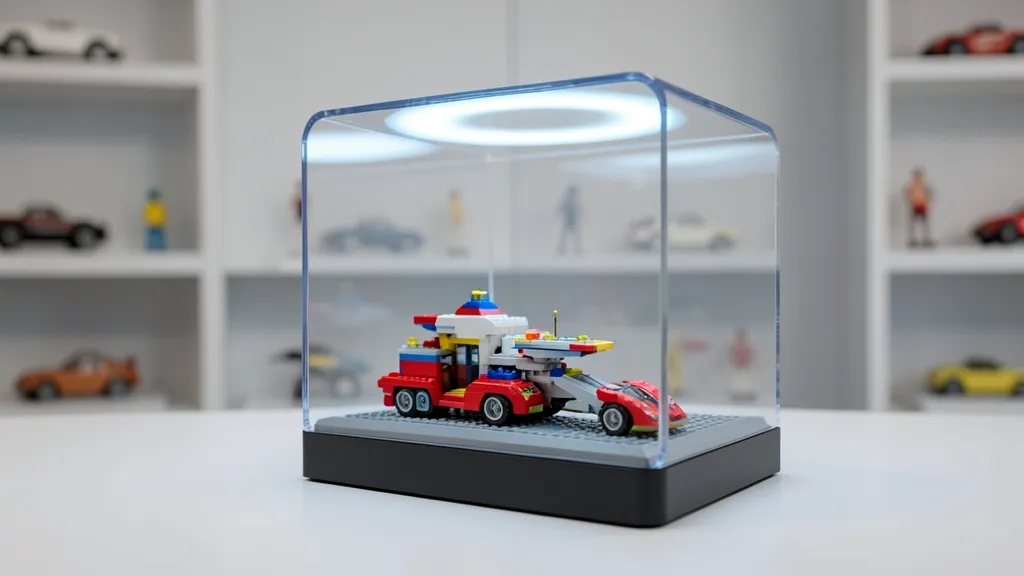
For many collectors, a display case is more than just furniture—it is the stage on which a treasured collection tells its story. The 21349 display case has earned a reputation as a dependable, well-proportioned foundation for showcasing everything from intricate models to memorabilia. Yet the difference between a functional cabinet and a truly extraordinary display often comes down to customization. With a few thoughtful upgrades, the 21349 can be transformed into a personalized gallery that reflects your taste, protects your items, and draws the eye of every visitor. Whether you are a first-time owner or a seasoned hobbyist, this guide explores practical, creative, and occasionally advanced ways to elevate your display case from ordinary storage to a centerpiece of your home.
Upgrading Internal Lighting
Lighting is arguably the single most impactful upgrade you can make to any display case. The stock lighting on the 21349 is serviceable, but supplementary LED strips can dramatically improve how your collection reads to the viewer. Warm tones (around 2700K–3000K) create a cozy, museum-like ambiance and flatter natural materials such as wood, leather, and paper. Cool tones (5000K–6500K) produce a crisp, modern look that enhances metallic finishes, glass, and brightly colored plastics. Many collectors combine both: warm strips along the back panel for depth and cool strips hidden under shelves for clarity.
Puck lights and spotlights take illumination a step further by directing attention precisely where you want it. A small puck light angled at a single centerpiece can create a dramatic focal point, while a row of spotlights along the top interior can wash light evenly across an entire shelf. When choosing between battery-operated and wired solutions, consider your setup. Battery-operated LED pucks are simple to install and require no cable management, making them ideal for renters or for cases positioned away from outlets. Wired strips, by contrast, offer consistent power, dimmability, and smart-home compatibility. In Hong Kong, where living spaces are often compact and outlets are limited, low-voltage USB-powered LED strips have become a popular middle ground, drawing just a few watts while delivering bright, even light.
Customizing the Interior Background and Shelving
The interior backdrop sets the mood for everything inside. Applying a decorative backdrop—velvet fabric in deep navy or charcoal, a custom-printed graphic, or even a mirror panel—can transform the perceived depth and richness of your display. Velvet absorbs stray light and gives items a premium, boutique feel, while mirrors visually double the space and reflect light into corners that would otherwise stay dim. For collectors who rotate themes seasonally, removable adhesive backdrops are a practical choice.
Acrylic risers and stands are inexpensive yet transformative. By creating tiered arrangements, you allow smaller pieces to sit forward and larger pieces to anchor the back, producing the layered look seen in professional retail displays. Custom-cut shelves or shelf liners offer another layer of personalization: felt liners protect delicate finishes, while frosted acrylic shelves add a soft glow when lit from beneath. Internal compartments and dividers keep small accessories from sliding around and make cataloging your collection easier.
It is worth noting that collectors who also own the 42143 display case often borrow the same tiered-riser philosophy, since both cases benefit from vertical layering. Building a small library of interchangeable risers and dividers lets you reconfigure displays quickly without buying new furniture.
Enhancing Security and Accessibility
A display case is only as good as its ability to protect what is inside. Upgrading the existing lock to a tamper-resistant cam lock or a keyed cylinder with a higher security rating is a wise investment, particularly for collections that include high-value items. If children or curious pets share the household, adding child-proofing measures—such as magnetic cabinet latches or a secondary safety strap—prevents accidental openings without spoiling the aesthetic.
For tech-savvy collectors, door sensors offer an advanced layer of customization. A simple magnetic contact sensor paired with a smart-home hub can alert you whenever the case is opened, and integration with a camera or alarm system adds peace of mind during travel. These sensors are unobtrusive and can usually be mounted with adhesive, preserving the case's finish.
Comparison of Lock Upgrade Options
| Option | Security Level | Installation | Best For |
|---|---|---|---|
| Standard cam lock | Basic | Tool-free | Low-value collections |
| Keyed cylinder lock | Medium | Minor drilling | Mixed-value collections |
| Smart door sensor + lock | High | Adhesive or screw | High-value or remote monitoring |
Personal Touches and Decorative Elements
Personality is what separates a generic display from one that feels unmistakably yours. Small decorative items placed strategically within the case—a miniature figurine, a vintage coin, a pressed flower—can complement your collection without competing for attention. External decals, subtle branding, or decorative trim along the frame add character from the outside, while personalized plaques and labels give displayed items context and provenance. A neatly engraved label describing a model's origin or year of release turns a display into a mini exhibition.
Collectors with multiple cases often coordinate their decorative language. Someone displaying a themed set in the 43222 display case might echo the same velvet backdrop and brass trim in the 21349, creating visual harmony across the room. Consistency in materials and finishes makes a collection look intentional rather than scattered.
DIY Modifications and Professional Enhancements
Many upgrades are well within reach of a confident DIYer. Installing adhesive LED strips, cutting felt liners to size, mounting acrylic risers, and adding decorative trim require only basic tools and a bit of patience. Before drilling or adhering anything permanent, test the layout with removable tape and photograph the arrangement so you can reproduce it later.
Complex customizations—such as routing hidden wiring through the case, installing integrated spotlights, or building bespoke shelving—are best handled by professionals. A furniture restorer or display specialist can ensure the structural integrity of the case is preserved, and their work often comes with a warranty. For collectors in Hong Kong, local workshop services specializing in acrylic fabrication and cabinet lighting can produce custom components within a few weeks, often at reasonable cost.
DIY vs. Professional Customization
- DIY-friendly: LED strips, velvet backdrops, risers, labels, decals, child-proof latches
- Professional recommended: concealed wiring, integrated spotlights, custom cabinetry, lock replacement involving structural changes
Bringing It All Together
Every upgrade discussed—from warm versus cool lighting to mirrored backdrops and smart sensors—serves a single purpose: making your 21349 display case a unique reflection of your style and collection. The most captivating displays are not the most expensive ones, but the ones assembled with intention. By layering lighting, texture, security, and personal decorative touches, you turn a functional cabinet into a conversation piece. Whether you start with a simple set of acrylic risers or go all-in with a fully wired, smart-monitored showcase, the process itself is part of the pleasure. Unleash your creativity, experiment with arrangements, and let your collection shine exactly the way it deserves.
Related Posts

What is harder to get into Harvard or Oxford?

What is the biggest university in Southeast Asia?

Do most people qualify for financial aid?

Which country is best at math?

What is the five activities of knowledge management?

How many years can you study abroad?

Is a 4.0 GPA good?