Creative Ways to Display Your LEGO Helmets: Beyond the Basic Box
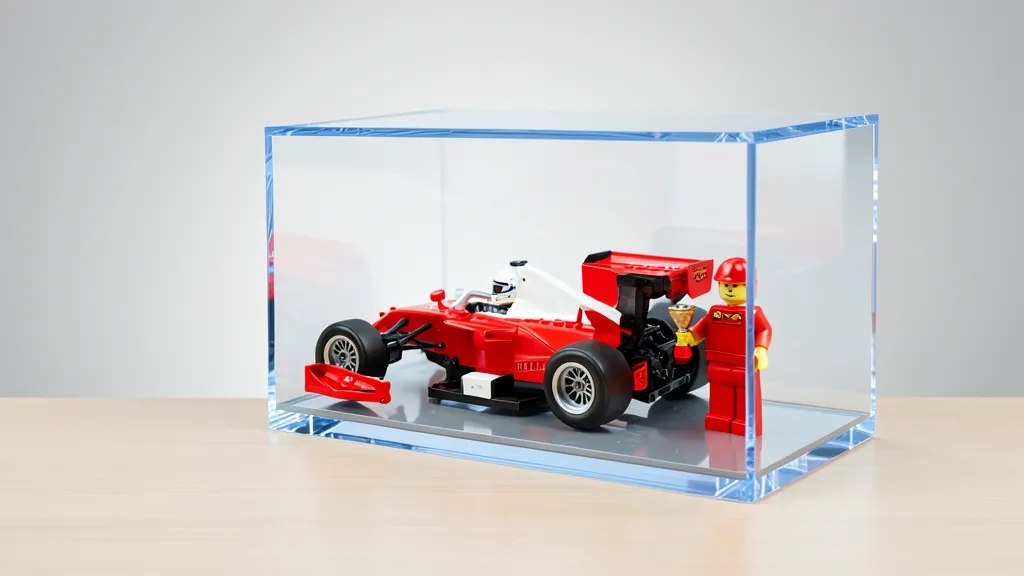
Elevate Your Collection: The Art of Displaying LEGO Helmets
Every LEGO helmet you have assembled represents hours of focused building, a love for a particular universe, and a piece of pop culture history. Yet, too often, these magnificent builds end up in a plastic storage bin or tucked away on a crowded shelf where their details are lost in shadow. The difference between a collection that is merely stored and one that is genuinely celebrated comes down to presentation. Transforming your LEGO helmets from simple objects into a captivating exhibition is not about spending a fortune; it is about applying creativity, thoughtful design, and a few clever techniques that professional collectors and hobbyists in Hong Kong and around the world swear by. When you treat each helmet as a work of art, your entire room becomes a gallery, and your collection becomes a conversation starter that draws the eye and sparks curiosity. This guide will walk you through innovative display methods, arrangement strategies, and maintenance routines that will take your LEGO helmet presentation far beyond the basic box.
Innovative Display Techniques That Transform Your Space
Themed Vignettes: Building Stories Around Your Helmets
The most impactful displays tell a story, and a themed vignette is the perfect way to give your LEGO helmets context and personality. Instead of placing a helmet alone on a shelf, consider constructing a small, custom scene or diorama that surrounds it. For example, a Star Wars helmet can be displayed on a miniature Hoth base complete with white slopes, translucent ice pieces, and a few snowtrooper minifigures. A medieval knight's helmet could sit atop a small stone ruin built from grey bricks, with a tiny banner flapping nearby. These vignettes do not need to be large or complex; a base of 16x16 studs is often enough to create a convincing environment. The key is to match the color palette and texture of the scene to the helmet's universe. Using a lego helmet display case with a clear acrylic front allows the vignette to remain dust-free while still being fully visible. Collectors in Hong Kong frequently source custom brick sets from local specialist stores in Mong Kok and Sham Shui Po to build these miniature worlds, and the results are often stunning. A vignette transforms a helmet from a standalone object into a narrative moment, inviting viewers to imagine the scene beyond the build. It also provides a natural border for your display, making it feel intentional rather than improvised.
Tiered Stands and Risers: Adding Depth and Dimension
Flat shelves are the enemy of visual interest. When all your helmets sit at the same height, the eye has nowhere to travel, and the display feels monotonous. Tiered stands and risers solve this problem by introducing varied heights that create depth and a sense of hierarchy. You can purchase acrylic risers in various sizes, or you can build your own from LEGO bricks, which adds a meta-layer of creativity to the display. A simple stepped arrangement—with a larger helmet at the back on a higher riser and smaller helmets in front—creates a natural flow that guides the viewer's gaze. For collectors using a 71043 display case, which is designed to accommodate the Hogwarts Castle and similar large-scale builds, tiered risers can be especially effective for displaying multiple helmets from the same theme, such as the four house founders' helmets, at different elevations. This technique also maximizes vertical space, which is particularly valuable in compact Hong Kong apartments where floor area is limited but ceiling height is often generous. By stacking risers, you effectively double or triple your display capacity without occupying more shelf footprint. The visual result is dynamic, professional, and far more engaging than a single row of identical helmets.
Integrated Shelf Displays: Custom Lighting and Backdrops
For the dedicated collector, an integrated shelf display is the ultimate upgrade. This involves designing custom shelving with recessed lighting, built-in backdrops, and even hidden cable management to create a seamless, museum-quality presentation. Recessed LED strips can be installed along the underside of each shelf, casting a soft, even glow over the helmet below. Built-in backdrops—whether mirrored, printed, or textured—add depth and context without taking up additional space. In Hong Kong, where interior design often favors sleek, space-saving solutions, integrated shelving units that span an entire wall are both practical and visually impressive. A custom unit can incorporate a 11375 display case as a modular component, allowing you to mix open shelving with enclosed cases for different parts of your collection. The key is to plan the lighting layout before installing the shelves, ensuring that each helmet receives adequate illumination without harsh glare. Warm white LEDs (around 3000K) are generally preferred for LEGO displays because they render colors accurately and create a cozy, inviting atmosphere. Integrated shelves also allow for hidden storage below, keeping spare parts, instruction manuals, and cleaning supplies out of sight while maintaining a clean, gallery-like aesthetic.
Wall-Mounted Art: Treating Helmets as Sculptures
Who says helmets must sit on a shelf? Wall-mounted displays treat your LEGO helmets as the three-dimensional art pieces they truly are. Floating shelves, specialized wall mounts, and shadow boxes can turn a bare wall into a stunning focal point. For lighter helmets, a simple acrylic floating shelf is sufficient, while heavier builds may require brackets anchored securely into wall studs. In Hong Kong, where wall space is often the most underutilized asset in an apartment, wall-mounted displays are a smart way to free up floor and shelf space while adding visual drama. Consider grouping three or four helmets in a vertical column or a diagonal arrangement on the wall, creating a gallery-style installation. You can also use a shallow lego helmet display case that mounts directly to the wall, combining the protection of an enclosure with the space-saving benefits of wall mounting. This approach works particularly well in home offices or living rooms where a statement wall can anchor the room's decor. The helmets become sculptural elements, and the wall itself becomes part of the display, framing each piece and giving it room to breathe.
Mirrored Backdrops: Expanding the Illusion of Space
A mirrored backdrop is a simple yet remarkably effective way to enhance any display case. By placing a mirror behind your helmets, you instantly double the visual depth of the case, making it appear larger and more spacious than it actually is. This is especially useful for smaller display cases, where a helmet might otherwise feel cramped. The mirror also reflects light back onto the helmet, illuminating details that might otherwise be lost in shadow. For collectors displaying helmets from themes with shiny or metallic elements—such as the Chrome Stormtrooper or gold-colored helmets—a mirror creates a dazzling double image that amplifies the visual impact. In compact Hong Kong living spaces, where every square centimeter counts, a mirrored backdrop can make a modest display case feel like a grand exhibition. You can purchase mirror acrylic sheets cut to size and install them with double-sided tape or clips, or you can choose ready-made cases that include mirrored backs. The effect is particularly striking when combined with strategic lighting, as the mirror bounces the light around the case, creating a luminous, jewel-box effect.
Custom Printed Backdrops: Setting the Scene
For those who want to go beyond the mirror and create a truly immersive experience, custom printed backdrops offer endless possibilities. High-quality prints of iconic scenes, abstract patterns, or themed textures can be placed inside your display case to give your helmets a sense of place. A space-themed backdrop with stars and nebulas behind a sci-fi helmet, or a cobblestone pattern behind a medieval knight's helmet, instantly elevates the display from simple storage to storytelling. These backdrops can be printed on archival-quality paper or vinyl and attached to the back panel of the case. Many collectors in Hong Kong commission local print shops to produce custom backdrops that match the exact dimensions of their 71043 display case, ensuring a seamless fit. The key is to choose a backdrop that complements rather than competes with the helmet. Subtle, low-contrast images work best, allowing the helmet to remain the focal point. You can also change backdrops seasonally or when you rotate your collection, keeping the display fresh and exciting year-round.
Strategic Lighting: Highlighting Details and Creating Mood
Lighting is perhaps the single most transformative element in any display. The right lighting can highlight the intricate details of a helmet's printing, create dramatic shadows, and set a mood that matches the theme. Spotlights can be aimed at individual helmets to draw attention to specific features, while LED strips provide even, ambient illumination. Color-changing LED lights can be used to create different atmospheres—cool blue for a sci-fi display, warm amber for a medieval or historical theme, and pure white for a clean, modern look. In Hong Kong, where many collectors display their collections in living areas that double as entertainment spaces, dimmable lighting is a popular choice, allowing the display to shift from bright and functional during the day to moody and atmospheric in the evening. Position lights at a 45-degree angle from the front and slightly above the helmet to minimize glare and cast gentle shadows that define the shape of the build. Avoid direct sunlight at all costs, as UV rays will fade colors and weaken the plastic over time. A well-lit display not only looks better but also protects your investment by making dust and damage easier to spot.
Arrangement Tips for a Balanced and Dynamic Display
Grouping: Organizing by Theme, Color, or Release Date
How you group your helmets has a profound impact on the overall coherence of your display. Grouping by theme is the most intuitive approach—Star Wars helmets together, Marvel helmets together, historical helmets together—and it creates a sense of narrative continuity that viewers can easily follow. Grouping by color creates a visually striking, abstract effect that works well in modern interiors; imagine a gradient from white to black, or a rainbow arrangement that turns your shelf into a color wheel. Grouping by release date appeals to the historian in every collector, telling the story of LEGO's design evolution over the years. You can also mix and match these approaches, creating sub-groups within larger themes. For example, within a Star Wars collection, you might group Imperial helmets separately from Rebel helmets. The goal is to create a visual rhythm that feels intentional and harmonious.
Varying Angles: Dynamic Interest Through Positioning
Nothing kills a display faster than a row of helmets all facing perfectly forward at identical angles. By varying the angles of your helmets—turning some slightly to the left, others to the right, and perhaps one or two at a dramatic three-quarter turn—you introduce a sense of movement and life. This technique is especially effective for helmets with asymmetric designs or prominent side details, as it allows viewers to appreciate different facets of the build. In a 11375 display case, which offers a clear view from multiple angles, varying the angle of the helmet inside can make the case feel more dynamic and less like a static box. Experiment with positioning before you finalize your display; sometimes a slight adjustment of ten or fifteen degrees can make a surprising difference in how the helmet reads visually.
Negative Space: Letting Your Helmets Breathe
The temptation to fill every available inch of shelf space is strong, especially for collectors with large collections and limited space. However, overcrowding is the enemy of good display design. Negative space—the empty area around and between your helmets—is not wasted space; it is an essential design element that gives each helmet room to breathe and allows the eye to rest. A display with generous spacing feels calm, curated, and intentional, while a crowded shelf feels chaotic and overwhelming. As a general rule, leave at least one helmet-width of space between adjacent helmets on the same shelf, and avoid stacking helmets directly on top of one another unless they are part of a deliberate tiered arrangement. In Hong Kong's compact living environments, achieving negative space can be challenging, but it is worth prioritizing. Rotating your collection—displaying only a portion at a time and storing the rest—is a practical way to maintain breathing room while keeping your display fresh.
Accessorizing Your Display for Maximum Impact
Mini-figures: Bringing Companions to the Scene
LEGO minifigures are the perfect companions for your helmets. Placing a relevant minifigure near its corresponding helmet adds scale, context, and a touch of playfulness. A pilot minifigure standing beside a fighter pilot helmet, or a wizard minifigure next to a magical helmet, creates a charming narrative link that viewers instantly understand. You can position minifigures on small transparent stands to make them more visible, or integrate them into your themed vignette. The key is to choose minifigures that are thematically appropriate and to avoid overcrowding; one or two well-chosen figures are usually enough to enhance the scene without distracting from the helmet.
Small Props: Subtle Details That Tell a Story
Small props—a tiny LEGO lightsaber, a printed tile with a logo, a miniature banner—can add texture and storytelling to your display without overwhelming it. These props should be subtle and complementary, enhancing the helmet's universe rather than competing with it. A small pile of LEGO gems next to a fantasy helmet, or a printed control panel tile next to a sci-fi helmet, adds a layer of authenticity that rewards close inspection. Props are also an excellent way to use up spare parts and to personalize your display with elements that reflect your own creativity.
Informational Plaques: Adding Context and Professionalism
Custom plaques are the finishing touch that elevates a hobbyist display to a professional exhibition. A small printed plaque with the helmet's name, set number, release year, and a fun fact or two adds context and educational value. Plaques can be printed on acrylic or cardstock and mounted on the shelf or inside the case. For collectors who enjoy sharing their knowledge, plaques provide a built-in conversation starter. They also help friends and family understand the significance of each piece, transforming a collection of plastic helmets into a curated museum exhibit.
Maintenance for a Pristine, Long-Lasting Display
Regular maintenance is essential to keep your display looking its best. Dust is the enemy of clarity, and LEGO plastic is vulnerable to UV damage. Dust your helmets and display cases gently with a soft microfiber cloth or an anti-static brush every two to three weeks. For deeper cleaning, use a slightly damp cloth with mild soap and water, drying immediately with a soft towel. Avoid harsh chemicals and abrasive materials that can scratch or dull the plastic. Protect your display from direct sunlight by positioning it away from windows or by using UV-filtering film on nearby glass. In Hong Kong's humid climate, consider placing a small silica gel packet inside enclosed cases to absorb moisture and prevent mold or mildew. With consistent care, your display will remain pristine for years, preserving both the beauty of your helmets and the value of your collection.
Turning Your Collection into a Personal Exhibition
Your LEGO helmets are more than just assembled bricks; they are expressions of your passion, your creativity, and your dedication to the hobby. By applying the techniques outlined in this guide—themed vignettes, tiered risers, integrated lighting, mirrored backdrops, and thoughtful arrangement—you can transform your collection from a simple storage solution into a captivating personal exhibition. Whether you display a single treasured helmet in a lego helmet display case or a full wall of themed works in a 71043 display case and beyond, the goal is the same: to celebrate your collection and share its story with everyone who sees it. Let your creativity run wild, experiment with different arrangements, and don't be afraid to change things up as your collection grows. After all, the best display is the one that brings you joy every time you look at it.
Related Posts

Smart Sensors Are A Continual Productivity Boost For Your Home

Why would a company call warrants?

Beyond the Numbers: What Hong Kong University Rankings Don't Tell You

What is harder to get into Harvard or Oxford?

What is the biggest university in Southeast Asia?

Do most people qualify for financial aid?

Which country is best at math?