Protecting Your Investment: The Essential Role of a 42141 Display Case
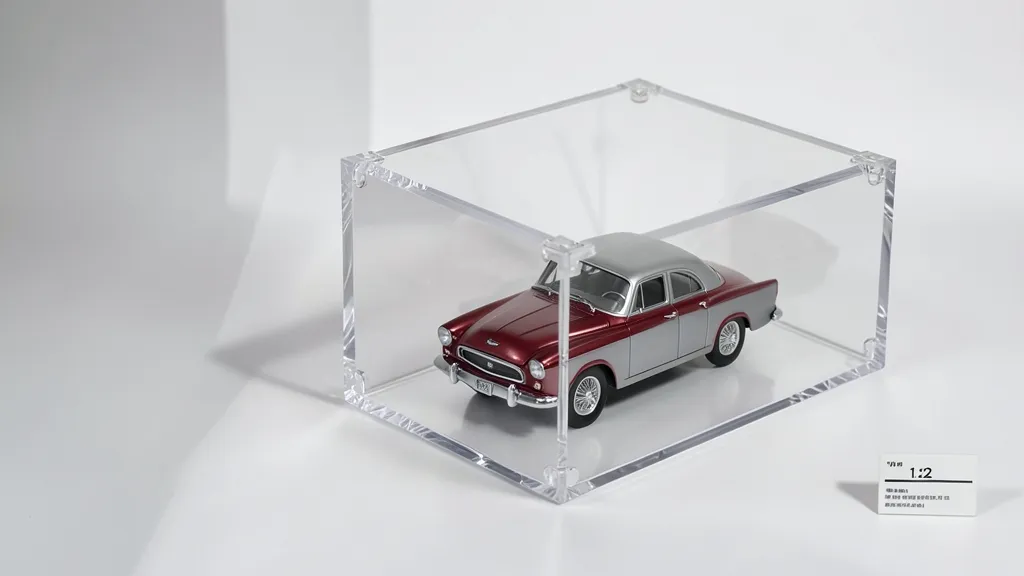
The LEGO Technic 42141 McLaren F1 Race Car is far more than a weekend building project. With its intricate aerodynamic detailing, functional steering, and striking papaya-and-blue livery, this 1,432-piece model has become a prized centerpiece for adult builders and motorsport enthusiasts alike. Once assembled, it commands attention on any shelf, and for many owners it represents a meaningful financial and emotional investment. Like any valuable collectible, however, the 42141 is vulnerable to a range of environmental and human threats that can dull its finish, fade its colors, and diminish its long-term value. Understanding these risks is the first step toward protecting your model, and a dedicated enclosure is the most effective safeguard available.
The Enemies of LEGO Collectibles
Dust Accumulation
Dust is the most persistent and underestimated threat to any built LEGO model. The 42141 features dozens of exposed studs, textured panels, and recessed areas around the wheel arches and rear diffuser where fine particulate matter settles quickly. Over weeks and months, this dust bonds with airborne oils and humidity to form a stubborn film that dulls the gloss of the bricks and obscures the model's carefully designed contours. Cleaning a dusty Technic model is not a simple matter either: compressed air can dislodge small pieces, and aggressive wiping risks micro-scratches on transparent elements and printed tiles. In Hong Kong, where roadside particulate levels and humidity combine to accelerate surface soiling, collectors frequently report that an unprotected model requires deep cleaning within just a few months of display. A sealed environment stops the problem at the source.
UV Light Exposure
Ultraviolet radiation is the single most destructive force acting on ABS plastic. LEGO bricks are engineered for durability, but prolonged exposure to direct sunlight causes photodegradation, which manifests as yellowing of white and light-colored elements and progressive fading of vibrant hues such as the McLaren's signature papaya orange. Research from plastics conservation bodies indicates that visible color shift can begin after as little as several hundred hours of direct sun exposure, and the effect is cumulative and irreversible. In compact living spaces like those common in Hong Kong, where windows often receive strong afternoon sun, a display positioned near a window can deteriorate noticeably within a single year. UV-filtering enclosures dramatically slow this process by blocking the majority of harmful radiation before it reaches the plastic surface.
Accidental Damage
Even the most carefully placed model is at risk from everyday mishaps. A bumped bookshelf, a dropped remote control, or an overenthusiastic houseguest reaching for a nearby object can send delicate components flying. The 42141's front wing assembly and rear spoiler are particularly fragile, and a single fall from shelf height can result in cracked panels, bent axles, and lost pins that are difficult to source individually. Replacement parts for licensed Technic sets can take weeks to arrive and may not perfectly match the original batch in color. A rigid physical barrier absorbs and deflects these impacts, keeping the model intact when the unexpected happens.
Environmental Factors
Humidity and temperature fluctuation are subtler adversaries. While LEGO plastic itself is resistant to moisture, prolonged high humidity can affect printed stickers, corrode any metal components present in lighting kits, and encourage mold growth on dust films. Rapid temperature swings cause repeated expansion and contraction of bricks, which over time can loosen clutch power at stressed joints. Hong Kong's subtropical climate, with relative humidity frequently exceeding 80 percent during summer months, makes this a genuine concern for collectors. An enclosed case moderates these effects by limiting air exchange and buffering the model from abrupt environmental shifts.
Pets and Children
Curious hands and wagging tails are a familiar hazard in family homes. Small children are naturally drawn to the McLaren's spinning wheels and moving pistons, and a single enthusiastic play session can scatter pieces across the floor. Cats and dogs, meanwhile, view shelf space as territory to be explored. Even well-behaved pets shed hair and dander that settles into model crevices. A locked or latched display case establishes a clear boundary, allowing the model to be admired without being handled.
How a Display Case Provides Protection
Dust Barrier
A well-constructed 42141 display case creates a micro-environment that seals the model away from airborne dust. Look for cases with tight-fitting panels, minimal gaps at the corners, and closure mechanisms that maintain consistent pressure along seams. When properly assembled, a quality case reduces dust ingress to negligible levels, meaning the model can go months or even years between cleanings. This is especially valuable for Technic builds, whose open-frame structures and exposed mechanical details are notoriously difficult to dust thoroughly. The 43269 display case follows the same design philosophy for smaller collector sets, demonstrating how consistent enclosure standards protect a whole collection, not just a single flagship model.
UV Filtration
Not all transparent materials are equal. Standard acrylic transmits the vast majority of UV radiation, offering little protection against fading. UV-resistant acrylic, by contrast, incorporates filtering agents that block upwards of 98 percent of wavelengths below 400 nanometers while remaining optically clear. When selecting a 76417 display case, confirm that the manufacturer specifies UV-filtering material rather than generic acrylic. This single specification can add years to the vibrancy of printed elements and colored bricks, and it is particularly important for models displayed in rooms with abundant natural light.
Physical Shield
Beyond dust and light, a case is a structural defense. Rigid panels distribute impact force across their surface rather than transmitting it to the model, and a weighted or anchored base prevents tipping. For high-shelf displays in earthquake-prone regions, an enclosure with secure fastening points adds meaningful stability. The psychological benefit matters too: knowing the model is protected encourages owners to display it prominently rather than storing it away in a box, which is where most collectibles sustain avoidable storage damage.
Organizational Solution
A display case assigns the model a permanent, purpose-built home. This eliminates the clutter of improvised shelving, prevents the model from being shuffled between locations, and makes the collection easier to inventory and insure. Dedicated cases also create a consistent visual rhythm across a collection, transforming scattered sets into a curated display.
Maintaining Your Display Case for Optimal Protection
Regular Cleaning
The case itself requires care to remain effective. Wipe exterior surfaces every two to four weeks with a microfiber cloth and an anti-static acrylic cleaner; avoid ammonia-based glass cleaners, which can craze acrylic over time. Never spray cleaner directly onto the case, as liquid can seep through seams. For interior cleaning, use a soft brush and a handheld blower rather than compressed air, which may carry propellant residue.
Scratch Prevention
Handle panels by their edges, keep abrasive objects away from surfaces, and place the case where it will not be brushed by curtains, bags, or furniture. Felt pads beneath the base protect both the case and the shelf. When moving the case, always empty it first or secure the model inside with removable padding.
Checking Seals
Inspect gaskets, magnets, and latches every few months. A seal that has compressed or a latch that has loosened will allow dust to migrate inward. Replacing inexpensive seal strips is far cheaper than restoring a soiled model. Keep a simple maintenance log to track cleaning dates and any hardware adjustments.
Long-Term Preservation Strategies
Placement
Position the case away from windows, radiators, and heating vents. Even UV-filtered cases benefit from indirect placement, since heat buildup near glass can accelerate adhesive aging on stickers. Interior walls are generally safer than exterior-facing ones.
Climate Control
Maintain indoor relative humidity between 40 and 60 percent where possible. A small hygrometer placed near the display provides useful monitoring data, as the following reference table illustrates typical conditions and their implications for stored models.
| Condition | Typical Range | Impact on LEGO Models |
|---|---|---|
| Optimal humidity | 40–60% RH | Minimal risk; stickers and prints stable |
| High humidity | Above 70% RH | Risk to stickers, dust adhesion, mold on films |
| Low humidity | Below 30% RH | Occasional static attraction of dust |
| Direct sun exposure | Unfiltered UV | Yellowing and fading within months |
| Stable indoor placement | Indirect light, 20–25°C | Best long-term preservation baseline |
Display Rotation
If your case lacks full UV filtration, rotate the model periodically so that no single face receives disproportionate light exposure. Even with filtration, occasional repositioning encourages owners to inspect seams, dust levels, and structural integrity, catching small issues before they become expensive ones.
Preserving Beauty and Value for Years to Come
A display case is far more than an aesthetic accessory. It is a preservation tool that addresses every major threat to a built LEGO model: dust, UV radiation, impact, humidity, and curious hands. For a set as detailed and valuable as the Technic McLaren F1, the modest cost of a dedicated enclosure is repaid many times over through retained color fidelity, structural integrity, and resale potential. Collectors who invest in proper protection are not merely displaying a model; they are ensuring that its engineering artistry and visual impact endure for the next generation of builders to admire.
Related Posts

Beyond the Numbers: What Hong Kong University Rankings Don't Tell You

What is harder to get into Harvard or Oxford?

What is the biggest university in Southeast Asia?

Do most people qualify for financial aid?

Which country is best at math?

What is the five activities of knowledge management?

How many years can you study abroad?