Optimizing Turbine Performance with Woodward Controls
I. Introduction: The Need for Optimization
The relentless demand for energy, coupled with stringent environmental regulations and economic pressures, has made the optimization of turbine performance a paramount concern for power generation, industrial processing, and aviation sectors worldwide. Turbines, whether gas, steam, or hydro, represent significant capital investments and are critical to operational continuity. Their performance directly impacts fuel consumption, emissions output, maintenance costs, and overall profitability. In regions like Hong Kong, where land is scarce and environmental standards are high, maximizing the efficiency and reliability of power generation assets is not just an operational goal but a societal necessity. For instance, optimizing the gas turbines that contribute significantly to Hong Kong's electricity mix can lead to substantial reductions in the city's carbon footprint and operational expenses.
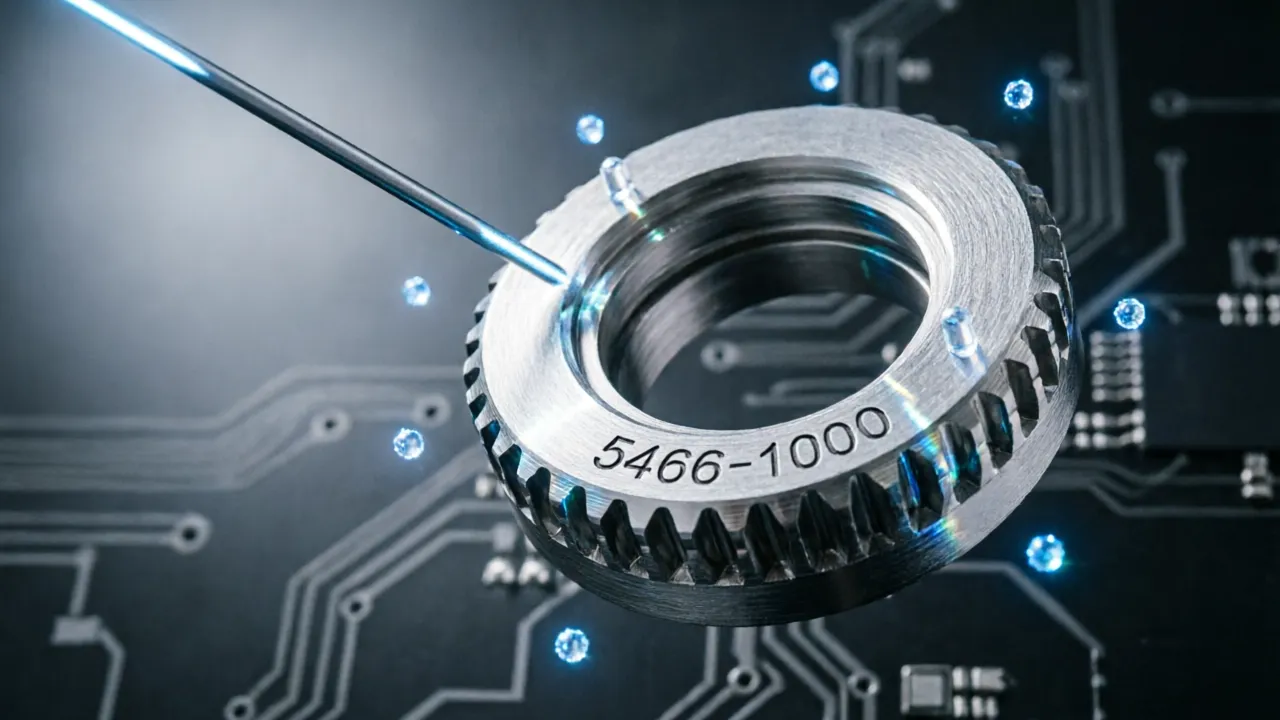
This is where advanced control systems, such as those engineered by Woodward, become indispensable. Woodward controls are not mere components; they are intelligent, integrated platforms designed to elevate turbine operation from basic functionality to peak performance. They act as the central nervous system, continuously processing vast amounts of data from sensors like the 5466-1000 speed sensor to make real-time adjustments that fine-tune combustion, manage load, and protect the machinery. By transitioning from traditional, fixed-parameter control to adaptive, model-based control, Woodward systems unlock latent efficiency within turbines. They transform raw mechanical power into a precisely modulated, reliable, and sustainable energy source, directly addressing the core need for optimization in an increasingly competitive and regulated global landscape.
II. Key Features for Performance Enhancement
Woodward's dominance in turbine optimization stems from a suite of sophisticated features that work in concert to enhance every aspect of performance. At the heart of these systems are Advanced Control Algorithms. These algorithms go beyond simple PID loops, incorporating physics-based models of the turbine's thermodynamic and mechanical behavior. This allows for predictive control actions, anticipatory adjustments to load changes, and optimal setpoint management under varying ambient conditions (temperature, pressure, humidity). Such intelligence ensures the turbine operates always at its most efficient point on its performance map, squeezing out every possible unit of energy from the fuel input.
Complementing these algorithms is comprehensive Real-Time Monitoring and Diagnostics. Woodward control units, such as those compatible with actuator module 5A26137G10, provide a continuous, high-fidelity stream of operational data. Engineers can monitor critical parameters—vibration levels, exhaust gas temperatures, pressures, and speeds—on intuitive human-machine interfaces (HMIs). Advanced diagnostic routines analyze this data in real-time to detect anomalies, identify developing faults, and provide clear, actionable alerts. This transforms operations from reactive troubleshooting to proactive condition management.
This capability naturally extends into Predictive Maintenance Capabilities. By tracking performance trends and component degradation over time, the system can forecast when maintenance will be required. For example, analyzing data from a fuel metering valve assembly like the 5X00238G12 can predict wear before it leads to a loss of calibration or failure. This shift from scheduled or run-to-failure maintenance to predictive strategies minimizes unplanned downtime, extends component life, and optimizes maintenance budgets by performing work only when needed.
III. Case Studies: Real-World Examples of Optimization
The theoretical benefits of Woodward controls are powerfully demonstrated in real-world applications. A compelling case often revolves around Improved Fuel Efficiency. A combined-cycle power plant in the New Territories of Hong Kong retrofitted its gas turbines with Woodward's latest control platform. By optimizing combustion dynamics and heat rate, the plant achieved a documented 1.8% reduction in fuel consumption across its fleet. For a facility consuming millions of cubic meters of natural gas annually, this translated to annual savings of several million HKD and a significant cut in associated carbon dioxide emissions.
Similarly, Reduced Emissions is a critical outcome, especially in environmentally conscious regions. Precise control of the air-fuel ratio, enabled by accurate feedback from sensors and robust control logic, ensures complete and clean combustion. This minimizes the formation of nitrogen oxides (NOx) and carbon monoxide (CO). In one documented case, a peaking plant utilizing Woodward controls consistently maintained NOx emissions below 25 ppmvd at 15% O2, well within Hong Kong's Environmental Protection Department (EPD) limits, without the need for constant manual intervention or over-firing, which would harm efficiency.
Furthermore, optimization can directly lead to Increased Power Output. By safely pushing operational boundaries and improving compressor and turbine efficiency, controls can unlock additional megawatts. A mid-life upgrade project on an industrial frame turbine, integrating a new Woodward governor and leveraging the diagnostic data from its existing 5466-1000 magnetic pickups, resulted in a 3.5% increase in base load output. This extra capacity was achieved without any major hardware modifications, providing a rapid return on investment through increased energy sales.
IV. Integration with Existing Systems
A major advantage of Woodward controls is their design philosophy centered on seamless Integration with Existing Systems. Their product lines offer broad Compatibility with Different Turbine Types, from aeroderivative and heavy-duty gas turbines to steam turbines and hydroelectric units. Whether it's a legacy unit from the 1980s or a modern machine, Woodward typically offers retrofit solutions or compatible new builds. This is facilitated by deep domain expertise and a vast library of turbine-specific application knowledge.
The Ease of Implementation is a critical consideration for operators wary of prolonged downtime. Woodward systems are engineered for modularity and straightforward interfacing. For example, replacing an older actuator driver card with a modern 5A26137G10 module is often a plug-and-play procedure with updated functionality. Commissioning tools and wizards guide engineers through setup, significantly reducing the window for installation and startup.
Finally, modern optimization relies on Data Integration and Analysis. Woodward controls do not operate in a silo. They feature open communication protocols (e.g., Modbus TCP, OPC UA) that allow seamless data flow into plant-wide Distributed Control Systems (DCS), Supervisory Control and Data Acquisition (SCADA) systems, and enterprise-level data historians. This enables holistic analysis, where turbine performance data can be correlated with grid demand, fuel quality, and maintenance records, creating a powerful ecosystem for continuous improvement. The data from a 5X00238G12 valve, once isolated, now contributes to a plant-wide performance dashboard.
V. The Role of Woodward in Achieving Sustainability Goals
In today's energy landscape, optimization is inextricably linked to sustainability. Woodward controls play a pivotal role in helping organizations meet their environmental, social, and governance (ESG) targets. A primary contribution is in Minimizing Environmental Impact. As evidenced in the case studies, higher efficiency directly lowers fuel consumption per unit of electricity generated, thereby reducing greenhouse gas emissions. Furthermore, precise emission control ensures compliance with ever-tightening local and international air quality standards, a key concern for power generators in densely populated areas like Hong Kong.
Another sustainable practice is Extending Turbine Lifespan. By ensuring smooth, stable operation and preventing harmful transients, Woodward controls reduce mechanical stress on critical components like blades, bearings, and rotors. Predictive maintenance, fueled by data from components like the 5466-1000 sensor, prevents catastrophic failures and allows for planned, life-extending overhauls. This not only protects a massive capital asset but also reduces the resource consumption and waste associated with manufacturing and installing a replacement turbine.
Ultimately, these efforts culminate in robust Compliance with Regulatory Standards. Woodward systems are designed with regulatory frameworks in mind. They provide the data logging, reporting capabilities, and control stability needed to demonstrate continuous compliance with emissions caps, grid code requirements (like frequency response), and safety regulations. This proactive compliance management shields operators from fines, operational restrictions, and reputational damage.
VI. Best Practices for Using Woodward Controls
To fully realize the benefits of Woodward controls, adherence to a set of best practices is essential. It all begins with Proper Setup and Configuration. This is not a generic process; it requires tailoring the control parameters to the specific turbine model, its auxiliary systems, and the site's operational philosophy. Engaging with Woodward's field application engineers during commissioning is crucial. Ensuring that every I/O point, from a critical speed input via 5A26137G10 to a fuel valve output for 5X00238G12, is correctly mapped and calibrated forms the foundation of reliable performance.
Following commissioning, Regular Monitoring and Maintenance of the control system itself is vital. This includes routine checks of hardware integrity, firmware updates, and validation of sensor readings. Trending key performance indicators (KPIs) generated by the control system—such as heat rate, actuator response times, and deviation from setpoints—allows operators to spot subtle degradation before it impacts the turbine. A disciplined approach to maintaining the control system ensures it can continue to maintain the turbine optimally.
Finally, investing in ongoing Training and Support is non-negotiable. Plant personnel must understand not just how to operate the HMI, but also the principles behind the control strategies. Woodward offers comprehensive training programs and provides access to extensive technical documentation and a global support network. Empowering the operations and maintenance teams with knowledge turns the control system from a black box into a powerful tool they can wield confidently to improve plant performance day after day.
VII. Future Trends in Turbine Optimization
The future of turbine optimization with Woodward controls is being shaped by several converging technological trends. The integration of AI and Machine Learning Applications promises a leap forward. Imagine control algorithms that self-learn and adapt to the unique degradation patterns of an individual turbine, optimizing setpoints in real-time for its current health state. Machine learning models could analyze historical data from thousands of sensors, including patterns from 5X00238G12 assemblies, to predict failures with even greater accuracy and lead time than current methods.
Remote Monitoring and Control will become increasingly sophisticated. Secure, cloud-based platforms will allow expert engineers at a Woodward support center to monitor turbine fleets across continents, performing advanced diagnostics and even fine-tuning control parameters remotely. This democratizes access to top-tier expertise, ensuring even remotely located plants can achieve optimal performance. The data from a 5466-1000 sensor in a Hong Kong plant could be analyzed by an algorithm running in a data center in the United States, with recommendations sent back in minutes.
As systems become more connected, Enhanced Cybersecurity becomes the bedrock of all optimization efforts. Future Woodward systems will embed security-by-design principles, featuring hardware-enforced trusted platforms, advanced encryption for all data in transit and at rest, and continuous threat detection. Protecting critical infrastructure from cyber threats is essential to maintaining not only performance and availability but also public safety and grid stability, ensuring that the path to optimization is also a path to greater resilience.
Related Posts

N97 Fanless Industrial PC and Carbon Emission Policies: Can Small Factories Stay Compliant Without Overhauling IT?

The Role of Polarized Dermoscopy in Early Skin Cancer Detection

My First Dive into CO2 Laser Acrylic Cutting: A (Mostly) Melt-Free Adventure!

DIY vs. Pre-Made: Finding the Best Display Solution for Your LEGO 10353


Enhance Your Collection: Customizing and Accessorizing the 21349 Display Case